Fixed 50% pricing
Preemptible nodes are billed at a flat 50% of the on-demand rate. The rate remains fixed rather than moving with a spot market.
Usage is metered every one to two minutes, with sub-hourly billing.
Launch managed NVIDIA GPU clusters in minutes. Pay by the hour, scale to the run, and terminate when the work is done.
Self-serve NVIDIA capacity with the networking, orchestration, storage, and operating controls needed for real workloads.
Move from request to run without a long procurement cycle or manual setup.
Run distributed workloads over InfiniBand and managed orchestration.
Choose the workload manager that fits the team and the run.
Keep long-lived, resizable shared storage attached to the work.
Monitor node health and act on hardware or software faults.
Scale up to 256 GPUs, subject to real-time availability.
Now in public preview for Together GPU Clusters: interruptible GPU compute, with a five-minute drain window and automatic refill toward your target.
Short experiments, batch inference, and temporary bursts are good candidates when interrupted work can resume or retry.
The common thread: work that is chunked, checkpointed, or retryable. Multi-day runs without checkpointing and strict-SLO serving with no fallback are not a fit.
Preemptible nodes are billed at a flat 50% of the on-demand rate. The rate remains fixed rather than moving with a spot market.
Usage is metered every one to two minutes, with sub-hourly billing.
When capacity is reclaimed, the node is cordoned and your pods receive SIGTERM. Your workload has up to five minutes to checkpoint and exit before the node is removed.
The cluster retains its preemptible target after the node is removed and automatically refills toward that target as capacity becomes available. You do not need to request replacement capacity.
Use on-demand capacity to learn quickly. Keep control of the environment. Commit only when the workload is stable.
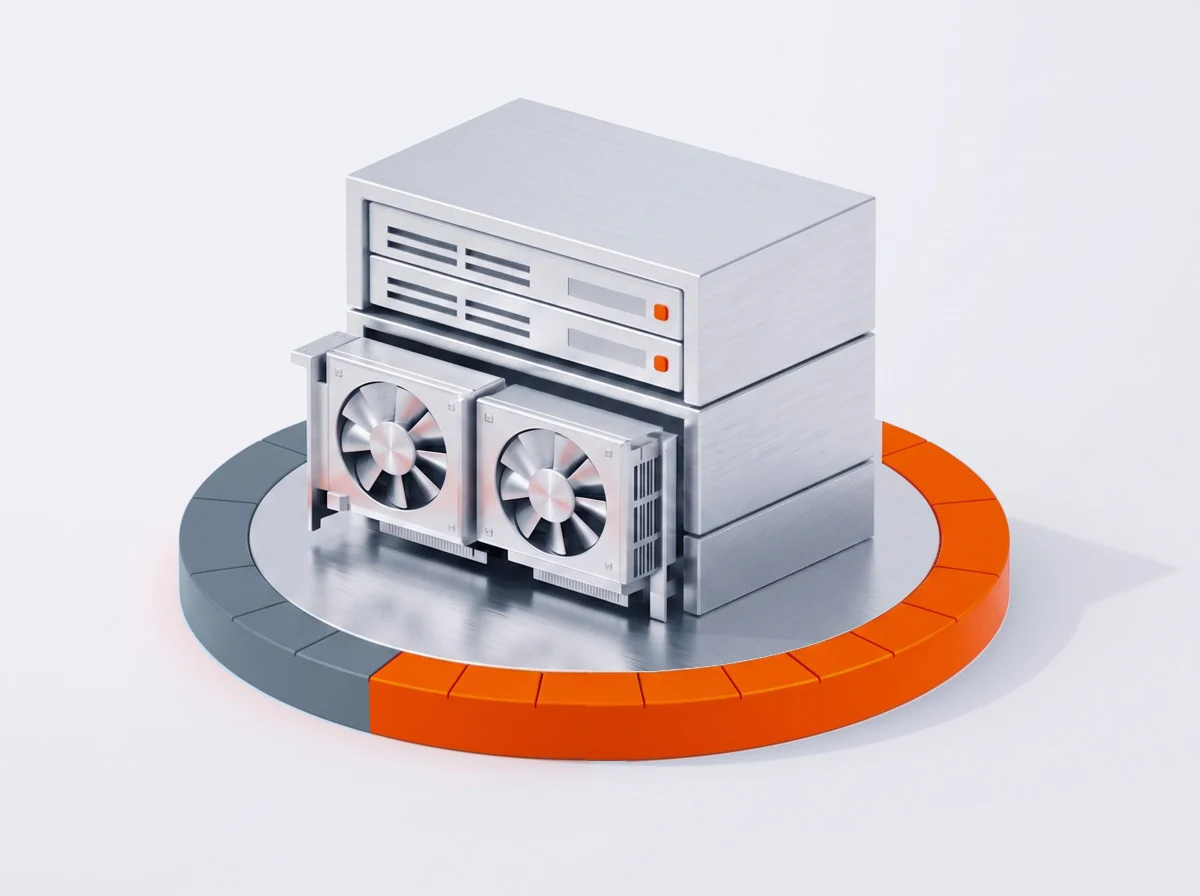
Use capacity for the run in front of you. No upfront commitment. Terminate when the work is done.
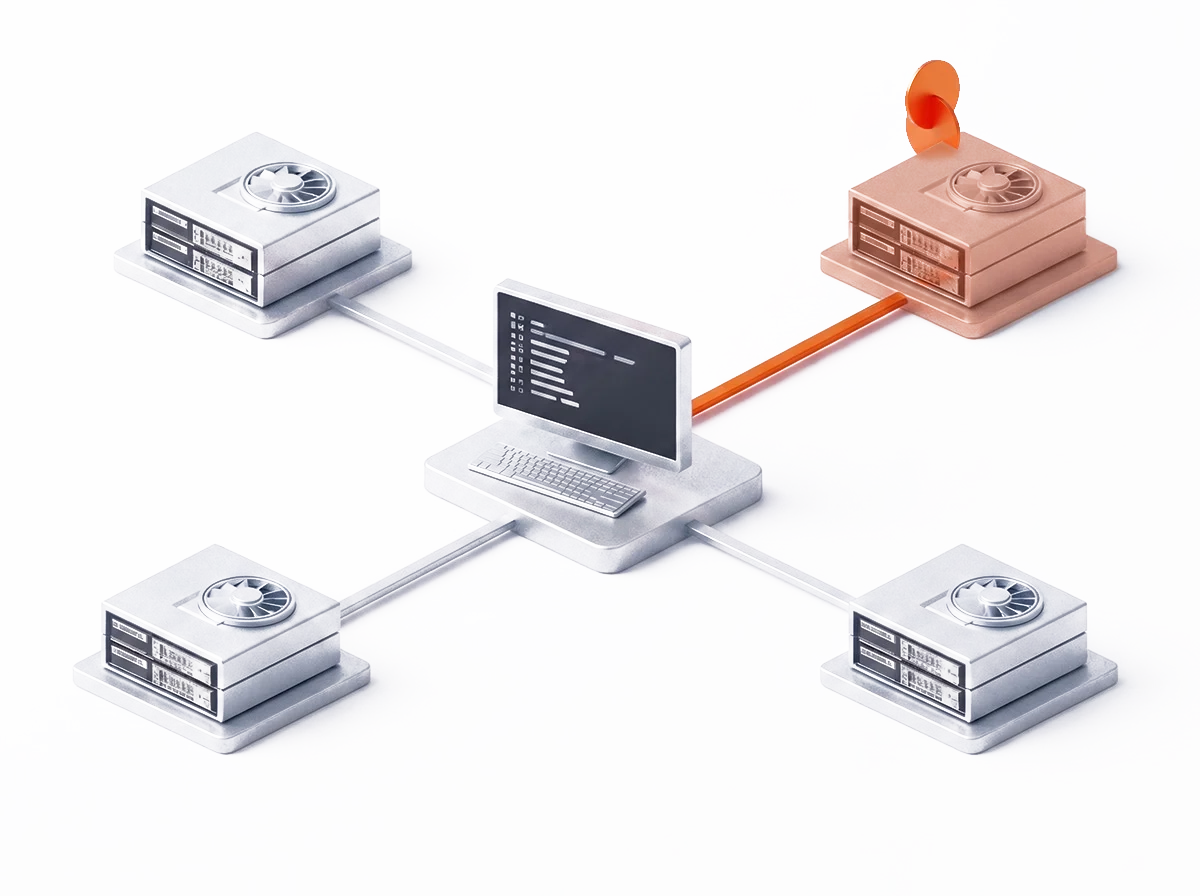
Create and manage clusters through the console, CLI, or API—with Kubernetes or Slurm orchestration.

Start on demand for flexibility, then move predictable workloads to reserved capacity without changing platforms.
Reserve after the workload is understood—not before the first run.
Spin up capacity for short experiments, exploratory training, or a new distributed configuration. Shut it down when the answer is clear.
Add capacity for a training sprint or increased inference traffic without turning a burst into a long-term commitment.
Use on-demand runs to understand utilization, then reserve the capacity that becomes predictable.
Product updates and technical guides for provisioning, multi-node training, autoscaling, reliability, and shared cluster operations.
Create a cluster for the next run. Reserve capacity when the workload becomes predictable.